Corrie ten Boom: Faith Amidst Fear by Sam Wellman
Just over 200 pages, this biography was very short. I liked reading about Corrie's life, and somehow it was comforting that, of all her sisters, she struggled the most with faith, forgiveness, and trusting God during the imprisonment and concentration camps. It was a reminder that I don't need to be perfect, I need to have an obedient and determined heart.
Discipled by Jesus by Hal and Debbie Perkins
The writing was not crafted, but that wasn't the intention of the authors. Although I wanted to read with a red editing pen in hand, I learned a lot about discipling questions, the importance of close relationships, and I am excited to use this both in a bible study setting and my classroom this fall. I recommend it not for how it was written, but for its message.
Books I did not finish:
What the Dog Saw and Other Adventures by Malcolm Gladwell
I only read the first story in this book, and while it was written well and fairly enjoyable I simply had too much going on this month to finish it. I've returned it to the library, and it is doubtful (though possible) I'll get it again.
Common Sense Christian Living by Edith Schaeffer
I did read a good deal of this book, but I started in the middle and didn't feel compelled to finish the end or go back to the beginning. A lot of the book would probably be better titled, 'Common Sense Christian Motherhood'.
Showing posts with label books. Show all posts
Showing posts with label books. Show all posts
Tuesday, June 30, 2015

Tuesday, June 16, 2015
I Had Set Myself Up.
 I had been recognizing some snippy responses and selfish attitudes in myself, and I was ready to be done with them, so I prescribed myself more verses to meditate on, more time alone with God, more passages to study.
I couldn't have set myself up better for the next day's devotional reading if I had tried.
Oswald Chambers' My Utmost for His Highest says:
"Can a sinner be turned into a saint? Can a twisted life be made right? There is only one appropriate answer-- "O Lord God, You know" (Ezekiel 37:3). Never forge ahead with your religious common sense and say, "Oh, yes, with just a little more Bible reading, devotional time, and prayer, I see how it can be done.
It is much easier to do something than to trust in God...We would much rather work for God than believe in Him. Do I really believe that God will do in me what I cannot do?"I have gotten caught up with my actions rather than staying focused on my relationship with God. The next day's reading said:
"Are you obsessed by something? You will probably say, "No, by nothing," but all of us are obsessed by something-- usually by ourselves, or, if we are Christians, by our own experience of the Christian life. But the psalmist says that we are to be obsessed by God. The abiding awareness of the Christian life is to be God Himself, not just thoughts about Him. The total being of our life inside and out is to be absolutely obsessed by the presence of God."Being obsessed by thoughts about God doesn't seem to be that different than being obsessed by God himself, but that is why it is more dangerous. Either way, we are doing a lot of the same things, but the intentions-- the heart-- are different. And God looks at the heart.
Sunday, May 31, 2015
Books that Accompanied me through May
The Problem of Pain by C. S. Lewis
academic and philosophical. It had never before occurred to me to think half of those thoughts. Having thought through some of them, now, I feel more comfortable with C. S.'s conclusions, though they still feel beyond me.
A Grief Observed by C. S. Lewis
a small book brimming with emotion and imagery and beautiful language. A book of true, bitter mourning and loss. It leaves me feeling both full and empty.
The 5-minute Plantar Fasciitis Solution by Jim Johnson
helpful and effective. The 5 minutes of stretching are explained in only two pages, near the middle of the book, but having read the rest of it as well I understand plantar fasciitis better than I did before, and am hopeful for improvement. The long-term effectiveness of the stretch I do not yet know, but short-term it does seem to be providing relief- especially first thing in the morning.
You'll Get Through This by Max Lucado
Lucado's mantra through his book is his title, drawn from the principles in the account of Joseph as well as many modern stories of pain and suffering. Not only, Lucado says, will you get through this present struggle, Christians can expect to come out stronger and more prepared.
Confessions of a Prayer Slacker by Diane Moody
Moody's style left me feeling comfortable. She wrote about her prayer journey with lessons applicable to all. Overall: get up early and pray and read your Bible as if Jesus is sitting right next to you. Make a commitment and actually meet with God every morning. And don't succumb to guilt about the occasional missed day. (author unrelated to D. L. Moody)
This month, I started a book called Walking with God through Pain and Suffering by Timothy Keller, but I could not get into it much less finish it. I have returned it to the library.
I also started:
the Simply the Story Handbook
Tea with Emma by Diane Moody
Brisinger by Christopher Paolini
Where is God When it Hurts? by Philip Yancy
academic and philosophical. It had never before occurred to me to think half of those thoughts. Having thought through some of them, now, I feel more comfortable with C. S.'s conclusions, though they still feel beyond me.
A Grief Observed by C. S. Lewis
a small book brimming with emotion and imagery and beautiful language. A book of true, bitter mourning and loss. It leaves me feeling both full and empty.
The 5-minute Plantar Fasciitis Solution by Jim Johnson
helpful and effective. The 5 minutes of stretching are explained in only two pages, near the middle of the book, but having read the rest of it as well I understand plantar fasciitis better than I did before, and am hopeful for improvement. The long-term effectiveness of the stretch I do not yet know, but short-term it does seem to be providing relief- especially first thing in the morning.
You'll Get Through This by Max Lucado
Lucado's mantra through his book is his title, drawn from the principles in the account of Joseph as well as many modern stories of pain and suffering. Not only, Lucado says, will you get through this present struggle, Christians can expect to come out stronger and more prepared.
Confessions of a Prayer Slacker by Diane Moody
Moody's style left me feeling comfortable. She wrote about her prayer journey with lessons applicable to all. Overall: get up early and pray and read your Bible as if Jesus is sitting right next to you. Make a commitment and actually meet with God every morning. And don't succumb to guilt about the occasional missed day. (author unrelated to D. L. Moody)
This month, I started a book called Walking with God through Pain and Suffering by Timothy Keller, but I could not get into it much less finish it. I have returned it to the library.
I also started:
the Simply the Story Handbook
Tea with Emma by Diane Moody
Brisinger by Christopher Paolini
Where is God When it Hurts? by Philip Yancy
Thursday, July 03, 2014
The Mysterious Affair at Styles~ Agatha Christie
It's the middle of World War 1 and Hastings has been sent home on sick leave. He is staying with an old friend, John Cavendish, at John's step-mother's estate: Styles.

After several weeks, they are all woken up to find that Mrs. Inglethorp is dying, having been poisoned. They might not have gotten to the bottom of the poisoning if Hercule Poirot had not been in town. Emily herself had helped him and several other Belgian refugees to safety, and they were living nearby. Poirot feels indebted to her, and is determined to find the murderer... but it could have been anyone...
Emily Inglethorp herself, a wealthy old woman and the mistress of styles.
Alfred Inglethorp, her much younger new husband.
John Cavendish, her elder stepson who still lives at Styles because Emily does not give him and his wife a large enough allowance to live anywhere on their own.
Mary Cavendish, John's wife who seems to be hiding something.
Lawrence Cavendish, John's younger brother who, for some reason, keeps insisting the death was natural?
Evelyn Howard, Emily's companion who packs her bags and leaves in a huff because of an argument with Emily about Alfred Inglethorp.
Cynthia Murdoch, the orphan who lives with Emily and is consistently reminded of her dependency.
Dr. Bauerstein, a suspicious doctor who studies poisons and has become a friend of Mary Cavendish.
Dorcas, a maid a Styles.
Hercule Poirot and Hastings try to solve the murder, Poirot constantly reeling in Hastings who keeps jumping to conclusions. The clues are fed, one by one, and it's quite a feat to piece them together. Of course, as I expect when I read an Agatha Christie, I had many theories over the course of the novel, but none of them were quite right. I was astonished when the murderer was revealed, and, of course, felt like I ought to have figured it out.
I had fun with this one, reading it out loud to my Grandma. There was a teeny bit of language, which I skipped over. I enjoyed making up a Belgian accent for Poirot, to make it easier to tell the characters apart when they were speaking, since speaking tags (said Poirot, said Hastings, said Cynthia etc) were not always used. It would have been easy enough reading it to myself, but in the event of a read aloud those things get muddled. There is a map of the house and of the crime-scene in the book, which helped clarify a few details. (Note: the poison noted repeatedly is strychnine. After a meadly of attempts at pronunciation, I asked Grandma if she knew, and she said, "oh! That's what you've been trying to say? It's Strick-nine." Well, it seems obvious now, but I'd had no idea, before). Grandma and I each shared a few suspicions and drew attention to clues and facts that we thought were important, and when the murderer was revealed we were a little disappointed we hadn't figured it out ourselves.
The Mysterious Affair at Styles by Agatha Christie is recommend for those who enjoy reading mysteries, other Agatha Christies, those who enjoy figuring things out, and readers who like historical fiction especially ones set during World War 1.
Thursday, June 05, 2014
Passing Time with a Time Lord
 I used to waste hour upon hour of long car-trips. Since I can't spend the time reading, writing or drawing due to motion sickness, I used to just sit there, listen to music, or try to strike up a conversation.
Recently, I remembered audio books, and it helped solve my problem. Now, I can listen to a book while along for a ride in a car trip. I've learned not to do this while driving, though, since I get awfully distracted.
I've listened to many kinds of books, often from my library's website. Sometimes fiction, sometimes nonfiction, sometimes sermons. The past few have been incredibly exciting to me: Doctor Who episodes! Apparently, they made audiobook adventures on top of the TV episodes.
And, they are read by the Doctor in the story!
The Jade Pyramid- Martin Day (Read by Matt Smith)
The Doctor and Amy Pond go to medieval Japan in response to a distress call. The tribal leader takes them to the temple, where the Doctor and Amy think the distress call is coming from. The Emperor of Japan knows there's something powerful there, too, and sends some Samurai to bring it back to him. Some people in the tribe want to resist, some want to comply, and the Doctor wants to find out what the distress signal was about.
This episode was decent. Being the first episode I listened to, it was very novel to me and I couldn't get over the fact that they actually had Matt Smith read it. Although I can't remember anything particularly unbelievable (for a Doctor Who adventure) it just wasn't one of the better ones that were able to suspend my unbelief.
Pest Control- Peter Anghelides (Read by David Tennant)
The Doctor and Donna Noble are on a different planet in the middle of a war between two races, the TARDIS gets whisked off, and there are giant bugs. Then, a giant robot shows up having a sole purpose of destroying the bugs (and anything that gets in the way). Not interesting enough? Well, something might be turning the people into the bugs, and Donna might be next.
Somehow, putting radically impossible events like this on another planet makes it ok. I didn't particularly like the episode, but that might be because I've never really been a fan of Donna Noble.
Dead Air- James Goss (Read by David Tennant)
A recording of the Doctor's voice is found on the wreckage of pirate DJs from 1966. It starts, "Hello, I'm the Doctor. And, if you can hear this, one of us is going to die." He had tracked a weapon called the Hush to the floating radio station, and enlisted the 3 DJs on board to help him trap and destroy the Hush before it can escape the boat and destroy everything on earth that makes noise.
This was by-far the best. It was presented as an audio-recording so it made perfect sense that I would be listening to it. I loved this episode, and I've been on a sort of quest to find one just as involving, creative, and hard-to-push-pause.
Do you listen to Audio Books? Do you watch Doctor Who? Tell me about it below!
Thursday, January 30, 2014
The Creative Habit, by Twyla Tharp
I've heard that creative people are crazy-- eccentric. I've heard that they get carried away with their projects, are tortured artists and in the end they mess up their lives.
Maybe I read too much fiction.
I'm not sure what to do with that assumption about the person whose livelihood comes from their creativity, not now that I've read Twyla Tharp's book "The Creative Habit: Learn It and Use It For Life."
 I saw a bit of that strangeness in Twyla through her book and at times it caught me quite off-guard. On the other hand, I was inspired. Don't worry- I most likely wont take the 'tortured artist' route in life. However, I was reminded at length that creativity doesn't just happen, you have to work with it.
Most of Twyla's examples had to do with ballet, since that's her career, but she often made connections for other types of Creatives. For myself, I was reading for ideas on writing, drawing and painting.
What did I come away with? In the case of writing, I was reminded, at length, that a book won't write itself. And it's much, much more than typing words into a document and sending your first thoughts away to a publisher. It's not all fun and games, but having a love for writing sure helps. I'ts like Hemingway said, "There is nothing to writing. All you do is sit down at a typewriter and bleed."
Essentially, Twyla Tharp convinces her reader that if they want to be creative, they have to make it a habit. With the bait established, then, you can tap into the ideas when you want or need them.
I mentioned being inspired. Let me explain: I've tried getting up earlier to do writing exercises and such. I was even using some of the examples and suggestions Twyla Tharp's book is peppered with.
Creative habits are harder than they sound.
And I still haven't gotten around to filling more pages in my writers journal.
But I'm going to keep trying.
Maybe I read too much fiction.
I'm not sure what to do with that assumption about the person whose livelihood comes from their creativity, not now that I've read Twyla Tharp's book "The Creative Habit: Learn It and Use It For Life."
I saw a bit of that strangeness in Twyla through her book and at times it caught me quite off-guard. On the other hand, I was inspired. Don't worry- I most likely wont take the 'tortured artist' route in life. However, I was reminded at length that creativity doesn't just happen, you have to work with it.Most of Twyla's examples had to do with ballet, since that's her career, but she often made connections for other types of Creatives. For myself, I was reading for ideas on writing, drawing and painting.
What did I come away with? In the case of writing, I was reminded, at length, that a book won't write itself. And it's much, much more than typing words into a document and sending your first thoughts away to a publisher. It's not all fun and games, but having a love for writing sure helps. I'ts like Hemingway said, "There is nothing to writing. All you do is sit down at a typewriter and bleed."
Essentially, Twyla Tharp convinces her reader that if they want to be creative, they have to make it a habit. With the bait established, then, you can tap into the ideas when you want or need them.
I mentioned being inspired. Let me explain: I've tried getting up earlier to do writing exercises and such. I was even using some of the examples and suggestions Twyla Tharp's book is peppered with.
Creative habits are harder than they sound.
And I still haven't gotten around to filling more pages in my writers journal.
But I'm going to keep trying.
Thursday, November 21, 2013
Raising Kids for True Greatness by Dr. Tim Kimmel
 Since I spend over 30 hours a week with kids, teaching and training them, I decided it would be a good idea to read a parenting book.
Dr. Kimmel compares and contrasts the world's striving for success with God's intentions for greatness.
The 'conversation' Dr. Kimmel and I had through a chunk of the book went something like this:
Dr. Kimmel- It's a process, not a moment
Me- well, that makes sense. Most things in life are, afterall.
Dr. Kimmel- Do you want to know the five attributes of great people?
Me- of course.
Dr. Kimmel- the first is humility.
Me- sounds good!
Dr. Kimmel- another one is gratefulness.
Me- Ooo, that's a good one.
Dr. Kimmel- generosity is also important.
Me- yeah!
Dr. Kimmel- and the one that sums them all up?
Me- well, what is it??
Dr. Kimmel- a servant attitude.
Me- wow, bulls eye! I can already see how these character traits are important and would change lives.
Dr. Kimmel- well, now do you want to know how to raise kids up to embody these traits?
Me- of course!
Dr. Kimmel- model them.
Me- wait-- what??
Dr. Kimmel- I'm serious. Not only those, but also abundant-thinking, being others-oriented, trustworthy, tenacious, courageous and compassionate.
Me- oh dear.
Dr. Kimmel- and the things that wrap them all up nicely are grace and love.
Me- oh, that's all?
And you know what, reader? It makes sense, doesn't it?
Everything starts with how you yourself live life. And although I don't have much of a plan for how to train my students, I know where to start:
With myself.
Thursday, October 10, 2013
Coping
I love words. I like combining them to voice thoughts and ideas, finding words with just the right sounds to fit the mood of the topic. Words are meaningful because they impart meaning. These shapes and symbols we have given meaning, sound and purpose to evoke a message and bring images to our minds and spur us to more thoughts of our own.
Words impact me. When I read words, strung together by an author with craft and intentionality, I pause in admiration at the skill and the effectiveness in relaying the thought. I keep them nearby to be reminded how someone else phrased something. I have them on my walls, and in binders, and saved in documents. I collect words, and quotes.
 Mostly the quotes are about the Christian life. "The brutal, soul-shaking truth is that we are so earthly minded we are of no heavenly use." Leonard Ravenhill.
A good chunk of those quotes are on prayer. "The great souls who became mighty in prayer, and rejoiced to spend three and four hours alone with God, were once beginners." Samuel Chadwick
Several speak about the way life is. "Any idiot can face a crisis. It's the day to day living that wears you out." Chekov
Some are just amusing. "Small choice in rotten apples." Shakespeare (The Taming of the Shrew)
A few are about words themselves. "To find your own writing style, you have to understand and love language. You have to read, listen to, and obsess over words, syllables, vowels, phrases, short and long sentences, the timing of periods, and endless other details." Becky Broadway & Doug Hesse
Words take time. Time to find, use and rearrange. Time to read and soak up. Time to record and remember. You can't slop them together and expect them to resonate the same way. And how unfeeling to gloss over all the hard work of others.
So I collect quotes. And I write.
But I found Philippians 3:8-9 this week, and I'm having trouble coping.
"Indeed, I count everything as loss because of the surpassing worth of knowing Christ Jesus my Lord. For this sake I have suffered the loss of all things and count them as rubbish, in order that I may gain Christ and be found in him, not having a righteousness of my own that comes from the law, but that which comes through faith in Christ, the righteousness form God that depends on faith."
Now, what am I supposed to do with that?
Count everything -- even literacy-- as loss because it's more worthy to spend my time getting to know Christ Jesus my Lord? Surrender the time spent reading and writing and obsessing over words to the more worthy cause of gaining Christ and being found in him?
(It's true that I'd survive just fine without reading. It's also true that the world doesn't need another book. It already has over 22 million.)
God, give me grace, because I don't know if I'm ready.
Words impact me. When I read words, strung together by an author with craft and intentionality, I pause in admiration at the skill and the effectiveness in relaying the thought. I keep them nearby to be reminded how someone else phrased something. I have them on my walls, and in binders, and saved in documents. I collect words, and quotes.
 Mostly the quotes are about the Christian life. "The brutal, soul-shaking truth is that we are so earthly minded we are of no heavenly use." Leonard Ravenhill.
A good chunk of those quotes are on prayer. "The great souls who became mighty in prayer, and rejoiced to spend three and four hours alone with God, were once beginners." Samuel Chadwick
Several speak about the way life is. "Any idiot can face a crisis. It's the day to day living that wears you out." Chekov
Some are just amusing. "Small choice in rotten apples." Shakespeare (The Taming of the Shrew)
A few are about words themselves. "To find your own writing style, you have to understand and love language. You have to read, listen to, and obsess over words, syllables, vowels, phrases, short and long sentences, the timing of periods, and endless other details." Becky Broadway & Doug Hesse
Words take time. Time to find, use and rearrange. Time to read and soak up. Time to record and remember. You can't slop them together and expect them to resonate the same way. And how unfeeling to gloss over all the hard work of others.
So I collect quotes. And I write.
But I found Philippians 3:8-9 this week, and I'm having trouble coping.
"Indeed, I count everything as loss because of the surpassing worth of knowing Christ Jesus my Lord. For this sake I have suffered the loss of all things and count them as rubbish, in order that I may gain Christ and be found in him, not having a righteousness of my own that comes from the law, but that which comes through faith in Christ, the righteousness form God that depends on faith."
Now, what am I supposed to do with that?
Count everything -- even literacy-- as loss because it's more worthy to spend my time getting to know Christ Jesus my Lord? Surrender the time spent reading and writing and obsessing over words to the more worthy cause of gaining Christ and being found in him?
(It's true that I'd survive just fine without reading. It's also true that the world doesn't need another book. It already has over 22 million.)
God, give me grace, because I don't know if I'm ready.
Thursday, September 19, 2013
A Dinosaur Named Cank
 For a fun, children's e-book with a dinosaur-turned-pet, check out this e-book: Candy and the Cankersaur by Jason Sandberg (amazon, nook). It may even inspire them to create their own dinos that survived!
Candy's rich, and somewhat neglectant, father gives her a pet dinosaur (a cankersaurus rex). The neighbor boy is jealous and takes some drastic actions, but in the end decides he would rather have friendship.
I couldn't find the 'theme' of the story, I thought the writing could have been stronger in some spots, and Candy's father never seemed to see she just wanted to spend time with him. However, it's a light, amusing read for kids with bright pictures that 'pop'.
Sandberg's other paintings, ebooks, and bio.
Thursday, August 29, 2013
Interview with Ruth White
Late at night Ruth White sat, pecking away at what she describes as her "clunky, black Remington typewriter". In those early days, before her career revolved around writing, she wrote whenever she had a chance, using her childhood for inspiration. "My father was a coal miner," she says, "and at the time of his death in 1948, our family lived in a coal camp called Jewel Valley." Since then, White has written thirteen beautiful books for pre-teens, but it wasn't an easy journey.
 Life after her father's passing became rough because her mother was unable to find a job in such a small, mountain town. "But we had books and an occasional movie in nearby Grundy," White says. She and her sisters particularly liked Doris Day, Debbie Reynolds, Roy Rogers, Dale Evans and Gene Autrey. Then, she and her sisters acted out scenes from these movies, and from books, to make their own fun. White comments that they "became creative by necessity." When I asked her how she kept track of all her memories for use in her books, White said, "I really don't know how I keep track of all those memories, but whenever I need one, it's out there."
White went to college in the sixties with no idea what she would major in. "In fact, I didn't think I would last in college for four years, mainly because I had no money. But somehow I worked my way through." Towards the end of her college experience, she decided to become a teacher. She taught 7th and 8th grade language arts for ten years, earned her librarian's degree and was a school librarian for another ten years, and then for eleven years she was a librarian for a private metaphysical library. "All those positions influenced me in different ways," White observes.
"I was also a wife and mother during those years so you can imagine how difficult it was to pursue a writing career. But once again, I managed." She write whenever she could, and spent many evenings at that Remington typewriter. Finally, her book Belle Prater's Boy won a Newbery honor in 1997, and she was able to leave her 9-5 job and become a full-time writer.
 White recently published a love story for adults that she says is based on her "mother's early years living on an isolated mountaintop in Southwest Virginia." It is called Diary of a Wildflower, and can be found on Kindle.
White also commented on what she has learned about the craft of writing, saying, "I have learned that the real writing is done in the re-writing," White muses. "The first draft is just a sketch of what I want to say. In the second and third and sometimes tenth and twentieth drafts, the actual sculpting takes place."
 Life after her father's passing became rough because her mother was unable to find a job in such a small, mountain town. "But we had books and an occasional movie in nearby Grundy," White says. She and her sisters particularly liked Doris Day, Debbie Reynolds, Roy Rogers, Dale Evans and Gene Autrey. Then, she and her sisters acted out scenes from these movies, and from books, to make their own fun. White comments that they "became creative by necessity." When I asked her how she kept track of all her memories for use in her books, White said, "I really don't know how I keep track of all those memories, but whenever I need one, it's out there."
White went to college in the sixties with no idea what she would major in. "In fact, I didn't think I would last in college for four years, mainly because I had no money. But somehow I worked my way through." Towards the end of her college experience, she decided to become a teacher. She taught 7th and 8th grade language arts for ten years, earned her librarian's degree and was a school librarian for another ten years, and then for eleven years she was a librarian for a private metaphysical library. "All those positions influenced me in different ways," White observes.
"I was also a wife and mother during those years so you can imagine how difficult it was to pursue a writing career. But once again, I managed." She write whenever she could, and spent many evenings at that Remington typewriter. Finally, her book Belle Prater's Boy won a Newbery honor in 1997, and she was able to leave her 9-5 job and become a full-time writer.
 White recently published a love story for adults that she says is based on her "mother's early years living on an isolated mountaintop in Southwest Virginia." It is called Diary of a Wildflower, and can be found on Kindle.
White also commented on what she has learned about the craft of writing, saying, "I have learned that the real writing is done in the re-writing," White muses. "The first draft is just a sketch of what I want to say. In the second and third and sometimes tenth and twentieth drafts, the actual sculpting takes place."
Thursday, August 08, 2013
Food For Thought
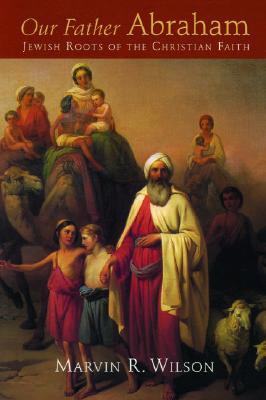 From the book, "Our Father Abraham":
"The Church, firmly planted in Hebraic soil, finds its true identity in connection with Israel. The Church is fed, sustained, and supported by this relationship."
"One may say that for a Gentile to have a right relation to God he must humbly accept and appreciate a Jewish Book, believe in a Jewish people, thereby taking on their likeness through a commonly shared stock."
"Gentiles who had come to faith within the earl Church joined themselves to God's ancient people. They had to adjust to Israel, not the reverse."
Thursday, July 18, 2013
They Never Came to Rivendell
I am reading The Lord of the Rings. It took some time getting started, but I love the prose, the characters, and the world Tolkien created. Last week while I sat there with the book in my hands I came to a part that made me pause.
 But he doesn't leave it at that. He adds the sad little clause that they also never made it to Rivendell. You almost feel bad for the ponies. Sure, they had a nice easy life-- but they never came to Rivendell.
The Hobbits, on the other hand, withstood the 'dark and dangerous journey' and got to rest in Rivendell.
Sometimes we have to trudge through hard, sad places to make it to better ones.
Sometimes you have to be chased by Black Riders to make it to Rivendell.
"they missed a dark and dangerous journey. But they also never came to Rivendell." (From, Tolkien's The Fellowship of the Ring, Chapter 11 'A Knife in the Dark').He's talking about the ponies. The Bad Guys let them loose so the Hobbits and Strider would have a difficult time leaving town, and Tolkien says the ponies were lucky because they got out of the adventure before it became serious and life-threatening.
 But he doesn't leave it at that. He adds the sad little clause that they also never made it to Rivendell. You almost feel bad for the ponies. Sure, they had a nice easy life-- but they never came to Rivendell.
The Hobbits, on the other hand, withstood the 'dark and dangerous journey' and got to rest in Rivendell.
Sometimes we have to trudge through hard, sad places to make it to better ones.
Sometimes you have to be chased by Black Riders to make it to Rivendell.
Thursday, July 04, 2013
Dragons
I first heard of the book Kenny and the Dragon during summer reading last year. For the first few weeks I was able to sit in during story time and hear the first chapters of the story. But then there were several weeks when I did not sit in, and I missed the middle and end of the story. Several months later, I found the book at a thrift store and snatched it up eager to find out what happened. I finally picked it up and finished the story a couple weeks ago.
There is a mouse family who farms and has sheep. The son, Kenny, reads a lot. He does not always distinguish between non-fiction and fantasy. His father finds a dragon on their land, Kenny finds it, learns his name, Grahame, and discovers that Grahame isn't like other dragons. But the town finds out there is a dragon and wants it killed. And Kenny doesn't know what to do.
It's a kids book, so it obviously has a happy ending, but there's a lot in between that's got merit.
But at the end of the book Kenny mentions a book called The Reluctant Dragon, written by some old English guy. It turns out to be a real book. So I found it and read it, too. I was expecting a long, tedious and over detailed novel, but found a quick read by, you'll never guess, Kenneth Grahame.
Kenny and the Dragon was based on Mr. Grahame's kid's story The Reluctant Dragon. The stories are quite similar except for a few details. Mr. Grahame's story is sandwiched between a few paragraphs on either side about two kids; it is a story their neighbor tells them. The characters are not named, except for St George who comes to slay the dragon.
I liked Mr. Grahame's story as a beginning. It had room for so much more detail and elaboration (ironically, what I feared it would be overflowing with), it felt a bit flat and vague. I liked what Mr. DiTerlizzi did with it in Kenny and the Dragon, but the original story was interesting, too.
What is better? The original, or what someone built off of it? Does originality stop after the initial idea, or does it include what subsequent people add on, out of their own creativity?
There is a mouse family who farms and has sheep. The son, Kenny, reads a lot. He does not always distinguish between non-fiction and fantasy. His father finds a dragon on their land, Kenny finds it, learns his name, Grahame, and discovers that Grahame isn't like other dragons. But the town finds out there is a dragon and wants it killed. And Kenny doesn't know what to do.
It's a kids book, so it obviously has a happy ending, but there's a lot in between that's got merit.
But at the end of the book Kenny mentions a book called The Reluctant Dragon, written by some old English guy. It turns out to be a real book. So I found it and read it, too. I was expecting a long, tedious and over detailed novel, but found a quick read by, you'll never guess, Kenneth Grahame.
Kenny and the Dragon was based on Mr. Grahame's kid's story The Reluctant Dragon. The stories are quite similar except for a few details. Mr. Grahame's story is sandwiched between a few paragraphs on either side about two kids; it is a story their neighbor tells them. The characters are not named, except for St George who comes to slay the dragon.
I liked Mr. Grahame's story as a beginning. It had room for so much more detail and elaboration (ironically, what I feared it would be overflowing with), it felt a bit flat and vague. I liked what Mr. DiTerlizzi did with it in Kenny and the Dragon, but the original story was interesting, too.
What is better? The original, or what someone built off of it? Does originality stop after the initial idea, or does it include what subsequent people add on, out of their own creativity?
Thursday, June 06, 2013
Never to Meet You
After a good book, people sometimes wish they could meet the main characters in real life. They are the brave, graceful, humorous, interesting characters. I would list some, but that would be counterproductive. Because, what fun would it be to describe everything wonderful about them? You probably already love them too.


 For most of the book I didn't mind him. He felt obligated to go on the journey but was lethargic and pessimistic. He would have spurts where he burned with eagerness at the prospects of finding the center of the earth, but he oscillated back to his spiraling black hole of despair, believing they'd never get back and never should have come. Henry was inconsistent and changed opinions of the trip between sentences.
These are some main characters I never want to meet:
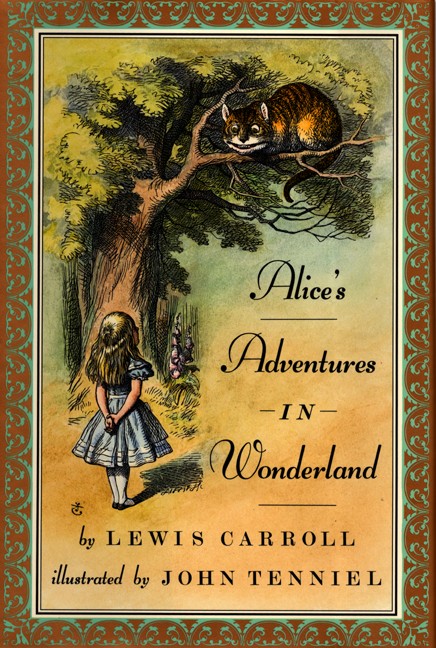
Alice, from Alice's Adventures in Wonderland
I suppose it wouldn't be too bad to meet Alice, but if I had the choice I'd much rather meet one of the characters I listed above. On top of things happening to Alice rather than her making thoughtful decisions to progress the story, she kept eating and drinking as labels indicated, almost without caring what the consequences were. She didn't seem to care about the consequences, and went wherever the other characters pushed and pulled her.

Meg, from The Time Quartet Series
I didn't mind her in A Wrinkle in Time, I suppose, but I couldn't stand her in A Wind in the Door. I suppose I could try a reread, since I stopped reading the series over three years ago. Meg cries a lot. She is lazy, annoyingly stubborn, selfish, and pities herself at every turn. If I got to make friends with book characters of my choice, Meg would not be on my list. Calvin and Charles Wallace, however, would be very near the top of the list!

Katniss, from The Hunger Games series
Actually, I liked Katniss quite a bit after the first book. But with each new installment I liked her less. She becomes hard, only maintains friendships for selfish reasons, and doesn't seem to enjoy anything about life. She became so small, passive and uninterested. And I have no desire to meet her. Maybe pre-Hunger Games Katniss, but definitely not the post-Mockingjay one. Nope.
Henry, from Journey to the Center of the Earth
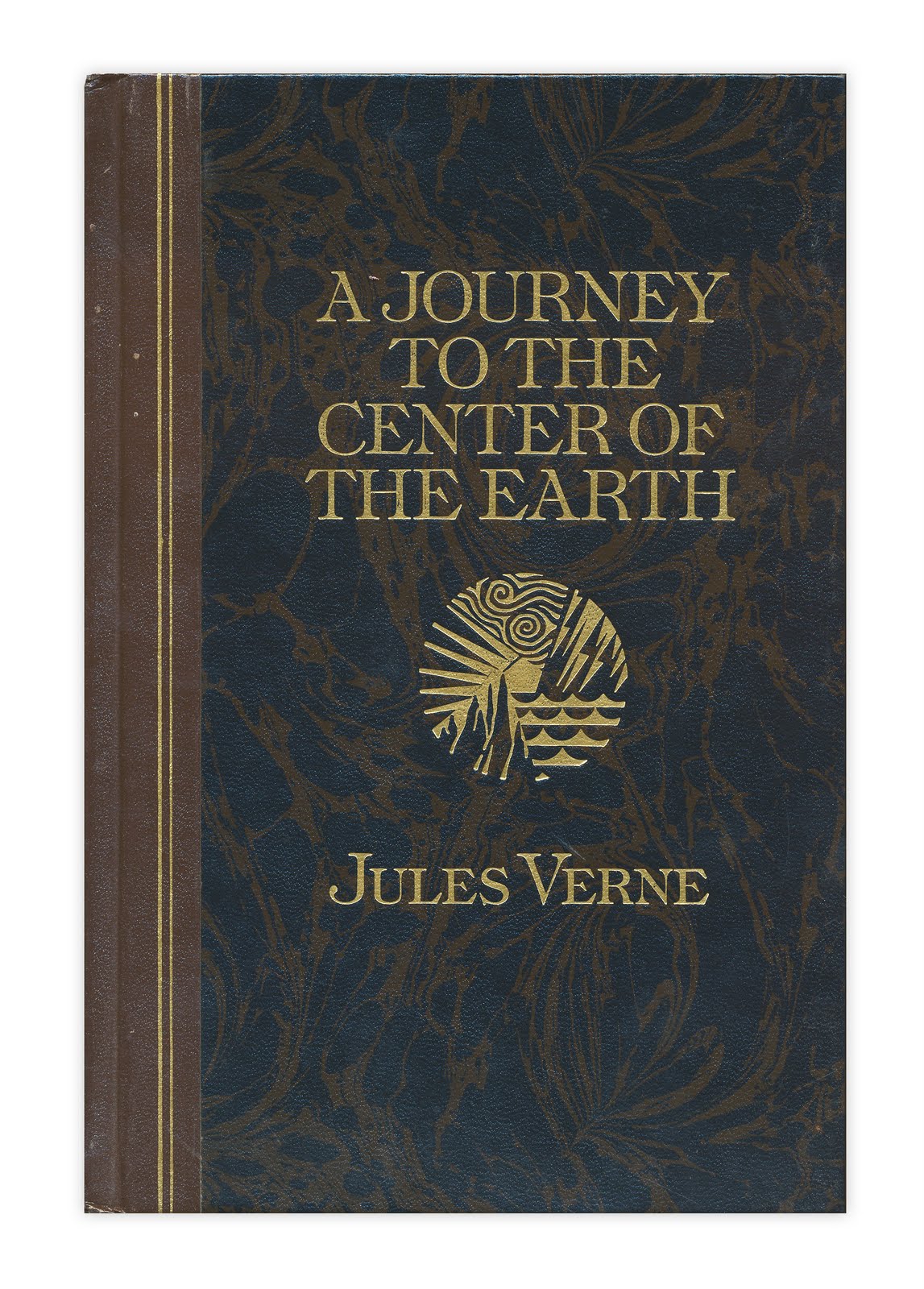 For most of the book I didn't mind him. He felt obligated to go on the journey but was lethargic and pessimistic. He would have spurts where he burned with eagerness at the prospects of finding the center of the earth, but he oscillated back to his spiraling black hole of despair, believing they'd never get back and never should have come. Henry was inconsistent and changed opinions of the trip between sentences.
 Thursday, May 30, 2013
The Phantom Tollbooth by Norton Juster
Be attentive.
I finished The Phantom Tollbooth this week, and loved it.
It's one of those books you can't believe you've never read once you've finished it.
It was full of wonderful plays on words that left me smiling and laughing.
And, mostly, what I got from it was the message 'be attentive'.
Maybe your town wont actually disappear if you stop paying attention to the beauty in it, but it might as well. Maybe you wont actually jump to the Island of Conclusions, but you lose the same amount of time when you jump to conclusions than if you had jumped to a real island.
Pay attention to words. To numbers. To how you spend your time. Pay attention to colors and sounds and people.
Be attentive.
I finished The Phantom Tollbooth this week, and loved it.
It's one of those books you can't believe you've never read once you've finished it.
It was full of wonderful plays on words that left me smiling and laughing.
And, mostly, what I got from it was the message 'be attentive'.
Maybe your town wont actually disappear if you stop paying attention to the beauty in it, but it might as well. Maybe you wont actually jump to the Island of Conclusions, but you lose the same amount of time when you jump to conclusions than if you had jumped to a real island.
Pay attention to words. To numbers. To how you spend your time. Pay attention to colors and sounds and people.
Be attentive.
Thursday, May 02, 2013
Stargirl by Jerry Spinelli
My freshman year, a friend told me that her favorite book was Stargirl. A year or so later I was book shopping at a thrift store and saw the book. I decided to buy it, but it sat unread on my shelf ever since. Until this week.
It was one of those books where you couldn't predict the ending. Once in a while I predicted something during the book, but I could never pin how I thought it would end. There are many good thoughts, and some very good writing. Once in a while I read a phrase that seemed corny, but overall they were few. The characters, even Stargirl, were believable.
The book speaks about conformity, about staying 'who you are', about the value of friends.
When Leo needs to decide between friends, Archie advises him to think about whose company he values more. This gives Leo a lot to think about.
And me.
It made me think of James 4:4, and even Galatians 2:10 to an extent, which I'll let you read on your own.
Because like Leo, we have to make a decision. And if we apathetically don't decide, that is our decision.
It was one of those books where you couldn't predict the ending. Once in a while I predicted something during the book, but I could never pin how I thought it would end. There are many good thoughts, and some very good writing. Once in a while I read a phrase that seemed corny, but overall they were few. The characters, even Stargirl, were believable.
The book speaks about conformity, about staying 'who you are', about the value of friends.
When Leo needs to decide between friends, Archie advises him to think about whose company he values more. This gives Leo a lot to think about.
And me.
It made me think of James 4:4, and even Galatians 2:10 to an extent, which I'll let you read on your own.
Because like Leo, we have to make a decision. And if we apathetically don't decide, that is our decision.
Thursday, March 28, 2013
How That Reading List Crashed 'n Burned
Last week, I posted about all the wonderful books I planned to read during my spring break.
So far, total, I have read three pages. Maybe.
I did a few other, more worthwhile (gasp) things instead. For example, I spent some time on my collage campus. Because I am student teaching from home, I have been on campus only two occasions this semester. I visited with a few friends, played games (Scrabble, Skee-Ball, Dutch Blitz), began watching two movies (Two Towers, and Sherlock Holmes, Game of Shadows. We didn't finish either of them), made food (you should try this), and marveled that I wasn't reading. I was also invited to a prayer service at a local church my last night on campus. It started at 7, and I planned to duck out around 8. The next morning was going to be very early for me. It turns out, this service was the first in a planned three day revival. And I didn't leave until 10:30, and I left truly blessed. I didn't get home until after midnight, which is very, very late for me, and managed about five and a half hours of sleep. Of course, the next day consisted of a few naps.
I also celebrated Easter with some family. We took separate cars, and I left half an hour after my parents and sisters. It was starting to snow; everything was slippery and visibility was pretty low for a while. I saw many cars in ditches and on the side of the road, a reminder to drive carefully. I had gotten ahead of the storm by the time I came to my exit. There was another vehicle on the side of the road about a quarter mile before the exit. The driver opened the door, and I was astonished at how similar she looked to my mom. So astonished I checked my phone. 17 missed calls. I pulled over on the shoulder, and called her back. She gave me directions and I picked up my dad and sister at the gas station with a full, five-gallon gas can.
Yes, there are still a few days left of my Spring Break. But I'm not going to miss opportunities with family and friends so I can read more books. That is an important lesson I have learned about reading. It can always wait.
So far, total, I have read three pages. Maybe.
I did a few other, more worthwhile (gasp) things instead. For example, I spent some time on my collage campus. Because I am student teaching from home, I have been on campus only two occasions this semester. I visited with a few friends, played games (Scrabble, Skee-Ball, Dutch Blitz), began watching two movies (Two Towers, and Sherlock Holmes, Game of Shadows. We didn't finish either of them), made food (you should try this), and marveled that I wasn't reading. I was also invited to a prayer service at a local church my last night on campus. It started at 7, and I planned to duck out around 8. The next morning was going to be very early for me. It turns out, this service was the first in a planned three day revival. And I didn't leave until 10:30, and I left truly blessed. I didn't get home until after midnight, which is very, very late for me, and managed about five and a half hours of sleep. Of course, the next day consisted of a few naps.
I also celebrated Easter with some family. We took separate cars, and I left half an hour after my parents and sisters. It was starting to snow; everything was slippery and visibility was pretty low for a while. I saw many cars in ditches and on the side of the road, a reminder to drive carefully. I had gotten ahead of the storm by the time I came to my exit. There was another vehicle on the side of the road about a quarter mile before the exit. The driver opened the door, and I was astonished at how similar she looked to my mom. So astonished I checked my phone. 17 missed calls. I pulled over on the shoulder, and called her back. She gave me directions and I picked up my dad and sister at the gas station with a full, five-gallon gas can.
Yes, there are still a few days left of my Spring Break. But I'm not going to miss opportunities with family and friends so I can read more books. That is an important lesson I have learned about reading. It can always wait.
Thursday, March 21, 2013
How My Spring Break Reading List Came To Be
When I came home from student teaching yesterday and set down my bag and Teachers Manuals, I noticed one of the books that had been on my bookshelf was on the floor. I called to one of my sisters (16 years old) in the other room and asked if she'd been looking through them again. Of course, she had.
She proceeded to come in and sit in front of my shelf. I was thinking, 'oh, not right now. I have so much to do for school tomorro!'. But I didn't say it outloud.
She started pointing to different books on the disorganized shelf. "I've read that one, and that one, I haven't read that one yet."
We compared which ones she had read to the ones I had read. I can't resist book-talk forever, you know. "Okay, scoot over." I sat down crosslegged next to her, and started taking piles of books off the shelf.
"What are you doing?"
And I explained how I was organizing them into books I have and haven't read. Then, I divided the pile I haven't read up again- books I want to read next week during spring break.
And they are:
The Golden Goblet by McGraw
Our Only May Amelia by Holm
The Sisters Grimm by Buckley
and The Pickwick Papers by Dickens, athough I'm planning on that one carrying over into the summer.
And, for kicks, here's a picture of my newly-organized bookshelf.
And, Yes. I consider this organized.

She proceeded to come in and sit in front of my shelf. I was thinking, 'oh, not right now. I have so much to do for school tomorro!'. But I didn't say it outloud.
She started pointing to different books on the disorganized shelf. "I've read that one, and that one, I haven't read that one yet."
We compared which ones she had read to the ones I had read. I can't resist book-talk forever, you know. "Okay, scoot over." I sat down crosslegged next to her, and started taking piles of books off the shelf.
"What are you doing?"
And I explained how I was organizing them into books I have and haven't read. Then, I divided the pile I haven't read up again- books I want to read next week during spring break.
And they are:
The Golden Goblet by McGraw
Our Only May Amelia by Holm
The Sisters Grimm by Buckley
and The Pickwick Papers by Dickens, athough I'm planning on that one carrying over into the summer.
And, for kicks, here's a picture of my newly-organized bookshelf.
And, Yes. I consider this organized.

Thursday, March 07, 2013
Inspiration
This book came to me on high reccomendation, so I eagerly inter-library loaned it.
I've read several books on prayer, and this one was different. I'll let you weigh a few of the differences and decide for yourself if you should find the nearest library.
'The Circle Maker' is filled with light humor. Humor is not the foundation, and it does not hinder the message- it is the tone of the author.
There aren't methods, it itsn't a how-to, and there is no step-by-step formula presented. There are ideas. And stories. Many, many stories of prayers of all shapes and sizes answered. The author focuses on specificity as an important- and often missing- aspect of prayer.
The author is a masterful writer. The book is built out of stories, and Mr. Batterson invites the reader into them so smoothly. They leave images in your head, rather than phrases. Those stories of answered prayers will stick with me for quite some time; more inspiration for me to circle my own prayers and not give up on them, even after 'seventy years'. Because our God, He answers prayer.
Thursday, February 28, 2013
Predictability
Last week I read a very predictable book. About half way through the story I guessed the final twist to the story, and I wondered if I should even keep reading. I did, just in case there would be another twist I hadn't seen coming.
There wasn't one.
(Granted, I do think the target readers are younger than I. But still...)
This got me thinking about predictability in books. I am also reading 'Journey to the Center of the Earth'. Much of this book is predictable, too. I mean, I'm assuming they make it to the center of the earth, aren't burned up by lava, find awesome things, and make it back home safely.
The difference between the two books is character development.
The characters in 'False Prince' were interesting enough, but I never became familiar with them. Everything I learned about them was surface level and while the plot was predictable, moment by moment actions and reactions of the characters were not.
On the other hand, 'Journey to the Center of the Earth' took time developing the characters and what drives them, familiarizing the reader with the nuances of their character (without drowning the reader in them unnecessarily) . I have an idea in my mind of how each character will respond to different circumstances, and I am eager to find out if and how the journey -the plot- affects the characters.
Is it too much to ask for a plot that has a few unpredictable twists and turns, and also a reasonable amount of character development? Too often I think we get one at the expense of the other.
I am on the lookout for a book, any book, that has good character development and an interesting plot. I'm sure there have to be some. Any ideas?
Subscribe to:
Posts (Atom)